
Using the same passwords for your personal and business accounts might be convenient, but by doing so you are exposing both your private life and your workplace to cyberattacks. Keeping them separate is one of the simplest and most effective ways to strengthen your digital security.
Why Mixing Personal and Business Passwords Is So Risky
Cybersecurity experts have warned that reusing passwords across different accounts can increases the impact of a cyber breach. When you use the same login details for your personal and work accounts, you unintentionally link two worlds that should remain separate. It is said that 65% of users reuse they passwords across multiple accounts because they do not want to remember many passwords.
The dangers of reusing your passwords
- Workplace systems become easier targets – Criminals often use stolen personal data to infiltrate business networks, where the potential rewards are far greater.
- You lose control of sensitive information – A compromised work account can expose confidential data, customer information, or internal systems.
- Recovery becomes more complicated – When multiple accounts share a password, you must reset them all, increasing stress and downtime.
- You may violate company security policies – Many organisations require unique, strong passwords for compliance and risk management reasons.
How Cybercriminals Exploit Reused Passwords
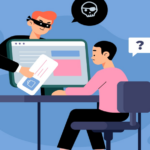
Attackers commonly use a technique called credential stuffing. When a company suffers a data breach, stolen usernames and passwords are sold or shared online. Criminals will then test those same credentials across other platforms – for example, emails, banking, cloud storage, and workplace systems. If you reuse passwords, the chances of a successful attack are increased.
Why Businesses Care About Your Password Habits
Even if you think your personal accounts are low risk, your employer’s systems are not. A single compromised employee account can lead to:
- Ransomware attacks
- Data theft
- Financial loss
- Reputational damage
- Operational disruption
Cybercriminals often target individuals because they are the easiest entry point into an organisation.
How to Protect Yourself and Your Workplace
Use strong, unique passwords
Every account should have its own password. A strong password typically includes a mix of letters, numbers, symbols, and avoids predictable patterns.
Enable multifactor authentication (MFA)
MFA adds an extra layer of protection by requiring a second step, such as a code sent to your phone. Even if someone steals your password, they still can’t access your account.
Use a password manager
Password managers generate and store complex passwords, so you don’t have to remember them. This makes it easy to keep your personal and business credentials separate and secure.
Why having separate passwords are important
Mixing personal and business passwords might seem harmless, but it creates unnecessary risk for both you and your employer. By keeping your passwords unique, using MFA, and adopting safer habits, you can significantly reduce the chances of a cyberattack.