Planning a holiday is exciting – counting down to the day you arrive, dreaming of new destinations and hunting for the best deals. But while you’re busy planning the perfect getaway, cybercriminals are busy planning how to catch you out.
From fake deals to AI-powered scams, here are the most common online threats to watch for before and during your travels – and how to stay safe.
Most Common Travel Scams
1. Fake Free Holidays
If you’re told you’ve “won” a holiday you never entered – it’s a scam. Even if you have entered a competition be wary and before handing out your details contact the official business to see if you have won. Fraudsters often use tempting giveaways to collect personal or payment details.
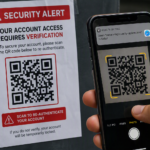
2. Clone Websites & Phishing Emails
Scammers create fake versions of trusted travel websites or send emails that look legitimate. These are designed to steal your login details or payment information.
Always double-check website addresses and avoid clicking links from unexpected emails.
3. Too-Good-To-Be-True Deals
Unbelievably cheap flights or luxury holidays are often bait. These offers are sometimes purchased using stolen cards – meaning your booking could be cancelled at any moment.
If the price looks unrealistic, it probably is.
4. Fake Travel Document Services
Some websites pose as official visa or permit providers but charge inflated fees – or worse, steal your data.
Always use official government websites and check typical costs beforehand.
5. Fake Rental Properties
Scammers list non-existent properties or hijack legitimate listings.
Stick to reputable booking platforms and avoid direct transfers outside their systems.
6. Public Wi-Fi Risks
Free Wi-Fi in airports, hotels, and cafés is convenient – but often unsecured.
Avoid logging into banking, email, or sensitive accounts on public networks.
7. AI-Powered Scams (Emerging Threat)
Artificial intelligence has made scams more convincing than ever. Here are a few to watch for:
- Deepfake customer support: Fake videos or voice calls impersonating airlines or hotels.
- AI-generated phishing emails: Perfectly written, personalised messages that are hard to spot.
- Chatbot scams: Fake “travel assistants” on websites or social media that collect your data.
- Voice cloning: Fraudsters may imitate a travel agent – or even someone you know – to pressure you into paying.
Always verify requests independently and never rely solely on what you see or hear online.
How to Stay Safe While Travelling
Here are practical steps to protect yourself:
- Do your research – check reviews of travel companies, rental properties, and agents before booking.
- Verify independently – contact companies directly using official websites, not details from emails or ads.
- Use secure payment methods – avoid wire transfers, gift cards, or cryptocurrency as these offer no protection.
- Check website URLs carefully – look out for small spelling errors or unusual domains.
- Look for ATOL protection (UK travellers) – this protects you financially if a travel company collapses.
- Trust your instincts – if something feels off, don’t proceed.
- Avoid “dark web” deals – cheap vacations from unknown sources can lead to serious problems.
- Use a VPN on public Wi-Fi – protect your data when using shared internet connections.
- Be cautious with public charging stations – use your own charger or a power bank where possible.
Final Thought
Summer should be about relaxing and making memories – not dealing with fraud or stolen data. As scams become more advanced, especially with AI in the mix, staying informed is your best defence.
Travel smart, stay alert, and enjoy your holiday with peace of mind.
Many thanks to ESET for this information and if you would like to read the full article – please visit – https://www.welivesecurity.com/2023/06/21/vacation-stay-step-ahead-travel-scammers/