With so much of our daily life happening online, it’s natural to wonder whether you really need a VPN at home. While VPNs are often associated with travel, public Wi‑Fi, or remote work, they can also offer meaningful privacy benefits on your own network.
Why Consider a VPN at Home?
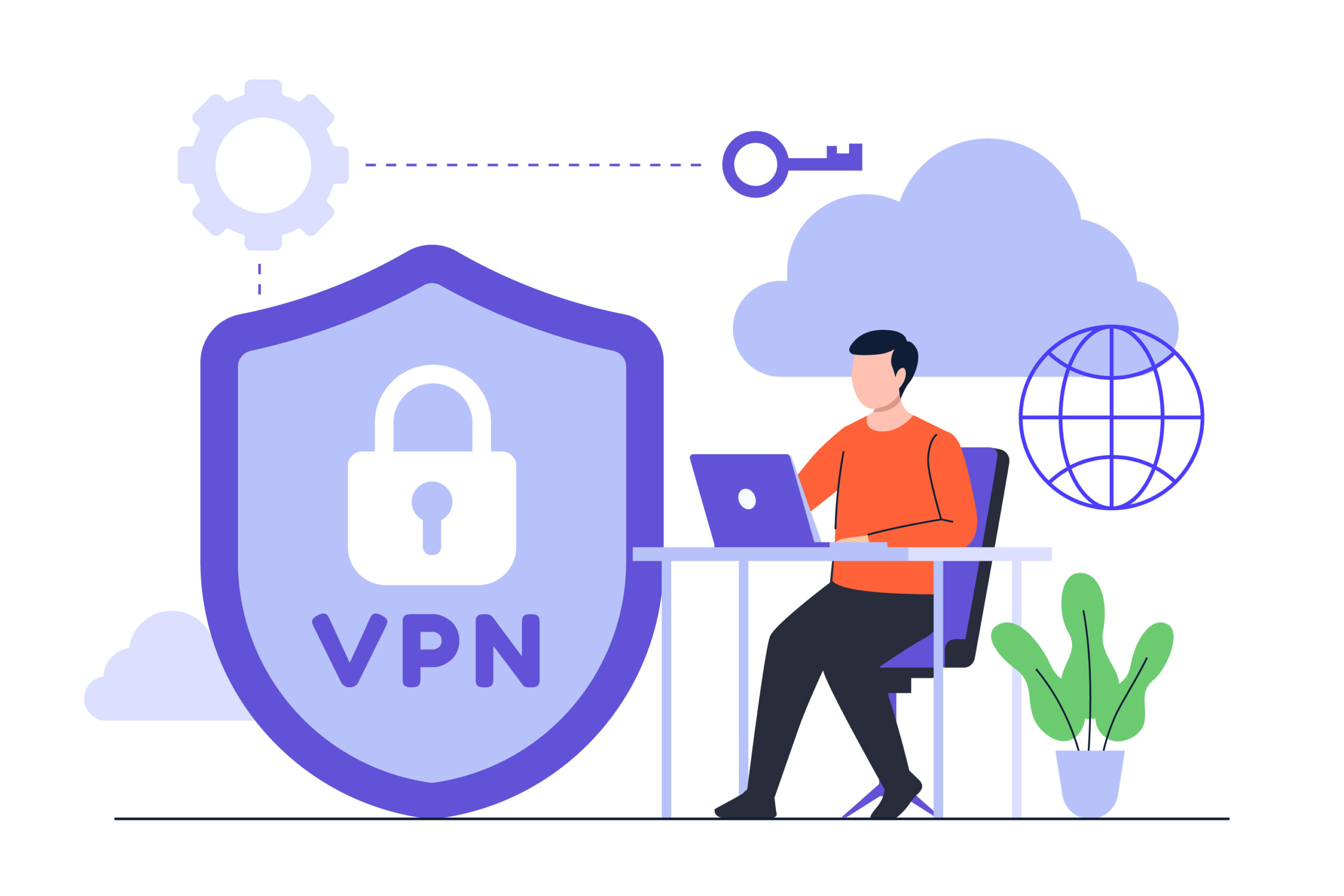
Even on your home Wi‑Fi, the biggest privacy risk isn’t usually hackers — it’s your internet service provider (ISP). ISPs can see much of your online activity and may use this data for advertising or other purposes. A VPN encrypts your traffic and helps mask what you’re doing online, giving you more control over your privacy.
What a VPN Can (and Can’t) Do
A VPN is effective at preventing your ISP from monitoring your browsing, but it’s not a complete invisibility cloak. Advertisers can still use other techniques to track you unless you combine a VPN with additional privacy tools such as tracker blockers or privacy‑focused browsers.
It also won’t protect you from malware or weak passwords, so pairing your VPN with antivirus tools and enabling multi‑factor authentication is still essential for full protection.
Is It Worth It?
If your main concerns are privacy, limiting ISP tracking, or simply wanting more control over your online footprint, then using a VPN at home is a smart move. It may not solve every security issue, but it adds a valuable layer of protection to your digital life.
For further information on using VPNs at home, see the following article: https://uk.pcmag.com/vpn/117675/do-i-need-a-vpn-at-home