
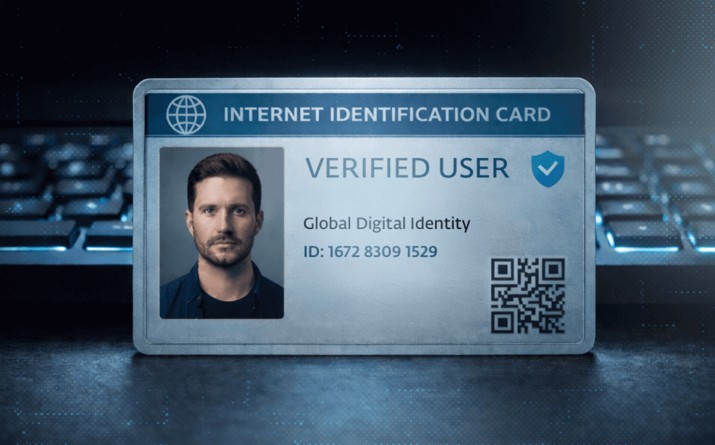
Should verified identities become the standard online? Australia’s social media ban for under-16s shows why verifying users identities matters.
Australia has introduced a law banning under‑16s from having social media accounts, forcing platforms to remove young users or they will face penalties. There are no consequences for children who lie about their age, making Australia a global test case for whether such rules can work.
This raises a bigger question for 2026: is it time to rethink online identity? Banning young people doesn’t fix the underlying problems of harmful content, abuse or manipulation. Once someone turns 16, those risks don’t suddenly disappear. History also shows that banning something often drives people to seek workarounds, which may expose them to even greater danger.
Other countries are experimenting with age‑verification systems to restrict adult content, but these bring privacy concerns around data collection. Combined with phishing, scams and online abuse, it’s clear the current model of anonymous, frictionless account creation isn’t working.
A BBC investigation recently showed thousands of abusive posts aimed at football managers and players in a single weekend. Identifying the offenders is almost impossible because most platforms don’t require real identity checks, and VPNs make tracing even harder. This leads to a broader idea: should users be able to choose to interact only with verified accounts? Not every service would need mandatory verification, but giving people the option to filter out unverified users could dramatically reduce abuse, scams and harmful content. Verified users could still remain anonymous to the public – the platform would simply know who they are.
Verification isn’t a perfect solution, but it adds accountability and reduces the volume of harmful behaviour. What’s clear is that current age‑based restrictions alone won’t solve the problem. Without a rethink of how identity works online, bans may simply push young people into riskier spaces rather than keeping them safe.
Excerpt taken from Is it time for internet services to adopt identity verification? From ESET